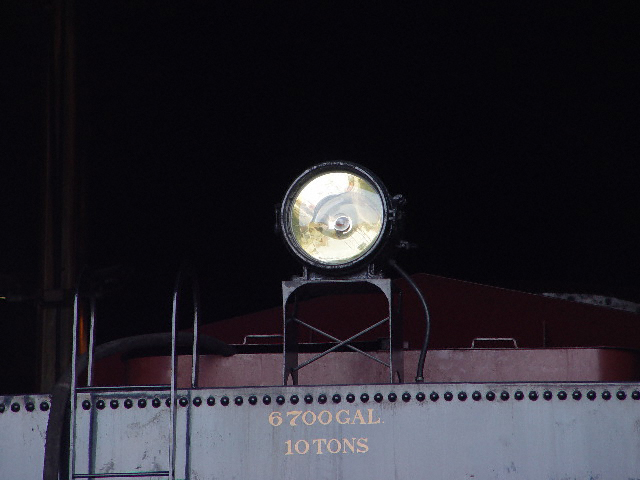
Back when I was a kid, I told a photographer friend that I wanted to take pictures of moving trains at night. "You can't do that without thousands and thousands of dollars of lighting equipment," he said, and then proceeded to show me a picture of O. Winston Link's lighting collection.
Twenty years later I discovered how wrong he was. Here's some other rules that aren't always true:
1. Always shoot the sunny side of the train. If the dark side of the train makes for a more interesting scene, shoot that.
2. Photoshop out wires, trash, and utility poles. If you're trying to document a moment in time, leave them in. People looking for an ideal scene should take up painting.
3. Always shoot at 100 ISO or lower. This was too restricting back in the film days, with a dSLR it's downright ludicrous.
4. Camera company X is better than camera company Y. They are all good. Find a company that makes cameras and lenses you like and don't look back.
5. Artsy pictures are bad. What does that even mean?


 Back when I was a kid, I told a photographer friend that I wanted to take pictures of moving trains at night. "You can't do that without thousands and thousands of dollars of lighting equipment," he said, and then proceeded to show me a picture of O. Winston Link's lighting collection.